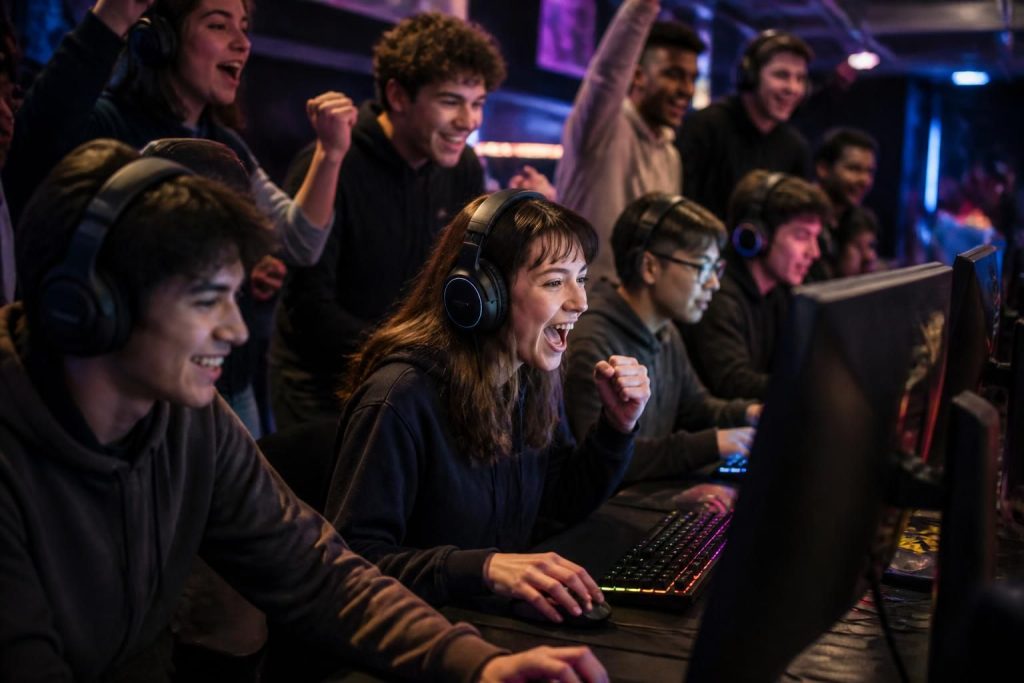
The online gaming community and fan culture have transformed the landscape of gaming, influencing everything from game design to marketing strategies. As players connect, share experiences, and voice their opinions, their collective passion shapes industry trends, setting the stage for the future of gaming. This article delves into how this vibrant community and its fan culture play pivotal roles in shaping the gaming industry.
How Online Communities Foster Engagement and Loyalty
One of the most significant aspects of the online gaming community is its ability to create deep engagement among players. Forums, social media platforms, and dedicated gaming websites serve as meeting grounds where gamers can discuss strategies, share gameplay tips, and express their opinions on upcoming titles. This interaction fosters a sense of belonging, which enhances player loyalty to specific games and developers.
For instance, the popularity of platforms like Discord has revolutionized communication in the gaming community. Players not only engage with each other but also have direct lines to developers. This two-way communication allows fans to contribute feedback and suggestions, influencing development decisions. Such engagement can lead to more tailored gaming experiences that resonate with the community, ultimately enhancing player satisfaction and retention.
The Role of Fan Culture in Game Development
The online gaming community and fan culture serve as a powerful feedback mechanism for game developers. Many companies actively monitor community discussions to discern player sentiment and identify areas for improvement. This can lead to significant changes in game design, balancing updates, and the introduction of new content. When developers embrace fan feedback, they foster goodwill and trust, encouraging a more invested player base.
Moreover, certain fan cultures have emerged around specific genres or franchises. For example, the dedication seen in the “Final Fantasy” community is legendary. Fans engage in extensive discussions about character development, story arcs, and gameplay mechanics. This deep level of analysis not only enriches the community but also creates a symbiotic relationship that can lead developers to design games that align with fan expectations while still pushing creative boundaries.
Streaming and Content Creation: Amplifying Fan Voices
Another vital aspect of the online gaming community is the rise of streaming and content creation. Platforms like Twitch and YouTube have empowered fans to become influencers in their own right, shaping perceptions around games and developers. Streamers and content creators not only entertain but also provide valuable insights into gameplay, making them trusted sources within the community.
This trend has significant industry implications. Game developers often collaborate with popular streamers to showcase their titles, creating buzz and attracting new players. Additionally, the visibility of content creators can drive sales and impact player engagement. A single viral stream or video can lead to renewed interest in a game, demonstrating the power of fan culture in influencing market trends. For more on this topic, see สล็อตเว็บตรง.
Esports: The Competitive Edge of Community Interaction
The growth of esports has further highlighted the influence of the online gaming community and fan culture. Competitive gaming draws huge audiences, and the community plays an integral role in fostering this environment. Fans not only watch tournaments but also participate actively by forming teams, creating content, and engaging in community events.
Esports has created new career opportunities for gamers, streamers, and content creators alike. As fans rally behind their favorite teams and players, they contribute to the industry’s growth, driving sponsorship deals, merchandise sales, and viewer engagement. This dynamic illustrates how deeply intertwined the competitive gaming scene is with community support, reinforcing the idea that fan culture is fundamental in shaping the esports landscape.
The Impact of Online Communities on Game Marketing
As the online gaming community and fan culture continue to evolve, their influence on marketing strategies becomes increasingly evident. Traditional marketing approaches are often supplemented or even replaced by community-driven campaigns. Game announcements on platforms like Reddit or through social media influencers often generate more buzz than conventional advertisements.
Developers are keenly aware that fans are not just consumers; they are advocates. A successful marketing strategy often includes community engagement tactics, such as beta testing or exclusive previews for loyal fans. This not only builds excitement but also serves to create a sense of ownership among players, who feel their input is valued and acknowledged. For instance, when a developer chooses to release content based on fan feedback, it reinforces community ties and encourages further support.
In conclusion, the online gaming community and fan culture are not merely peripheral aspects of the gaming industry; they are central to its evolution and success. From fostering engagement and loyalty to influencing game development and marketing strategies, these elements shape the industry in profound ways. As the landscape continues to evolve, the relationship between developers and the gaming community will likely grow even more interdependent, setting the stage for a vibrant future in gaming.